
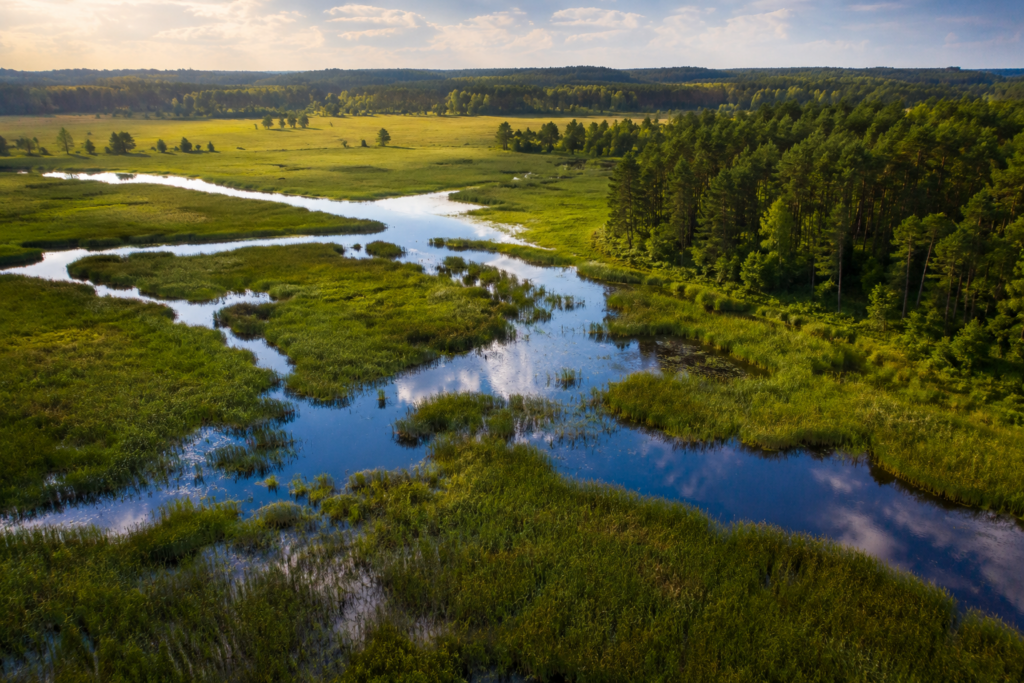
For many landowners, wetlands have always been one of the more complicated parts of owning vacant land. You may know they’re there, see them on a survey, or hear about them from a developer, but understanding how they affect a property’s value or future use can be difficult.
That conversation has become even more important in Horry County.
The county recently adopted new regulations that establish a buffer requirement around wetlands in certain development situations. While the change may sound technical, it can have a meaningful impact on how some properties are designed and what can ultimately be built.
If you own land in Horry County or elsewhere in South Carolina, understanding these rules can help you make more informed decisions about your property.
What Is a Wetland Buffer?
A wetland buffer is an area of land that must remain undisturbed between a wetland and new development.
Think of it as a protective space around wetlands that helps preserve water quality, reduce erosion, and protect natural habitats.
Before this ordinance, many landowners and developers focused primarily on identifying where wetlands existed on a property. Now, in certain situations, there is another layer to consider: the required distance that development must stay away from those wetlands.
In Horry County, the new ordinance establishes a 15-foot buffer from jurisdictional wetlands for qualifying developments.
That doesn’t necessarily make a property unbuildable, but it can change how a site is laid out and how much usable acreage remains.
Why the New Buffer Matters for Vacant Land Owners
One of the biggest misconceptions about wetlands is that they automatically eliminate a property’s value.
That’s rarely the case.
However, wetlands and their associated buffers can influence:
- The number of lots that may fit on a property
- The location of roads and infrastructure
- Utility layouts
- Stormwater design
- Overall development costs
For example, imagine a 30-acre property where five acres are wetlands.
Previously, a developer may have designed a subdivision around those wetlands. With a required buffer in place, the area that cannot be disturbed could become larger than the wetlands themselves.
That doesn’t mean development is impossible. It simply means the property may need a different approach.
For landowners considering selling, understanding these factors ahead of time can help set realistic expectations and avoid surprises during due diligence.
Not All Wetlands Are Created Equal
Another important point is that not every wet area on a property is considered a regulated wetland.
Some low areas that hold water seasonally may not be jurisdictional wetlands at all. In other cases, online maps may show wetlands that differ from what a professional environmental study ultimately determines.
This is why experienced developers often order:
- Wetland delineations
- Environmental assessments
- Surveys
- Preliminary site plans
These studies provide a much clearer picture of what can and cannot be done with a property.
A parcel that appears heavily constrained on a map may still have substantial development potential once it’s properly evaluated.
Likewise, a property that looks entirely usable may reveal environmental limitations that affect its value.
Every tract of land is different.
The New Rules May Change How Developers Evaluate Land
As regulations evolve, developers naturally adjust how they analyze potential projects.
Properties with significant wetlands may require:
- Larger lot sizes
- Different road configurations
- More engineering work
- Longer approval timelines
This doesn’t mean developers stop buying these properties. In fact, many successful projects throughout South Carolina have been built on land containing wetlands.
The difference is that buyers may spend more time studying the site before making an offer.
For sellers, patience and accurate information often become more important than ever.
Having recent surveys, environmental reports, or even a basic understanding of where wetlands are located on the property can make conversations with potential buyers much smoother.
What Should Landowners Do If Their Property Contains Wetlands?
First, don’t assume your land has lost its value.
Wetlands are extremely common throughout coastal areas of South Carolina, particularly in places like Horry County. Many successful residential communities have been developed while working around environmental constraints.
Instead, consider asking a few simple questions:
- How much of the property is actually wetlands?
- Are the wetlands located in areas that limit access?
- Is there enough upland acreage to support future development?
- Would additional studies provide more clarity?
Even if you’re not planning to sell today, understanding these answers can help you make better long-term decisions about your property.
If you’re interested in learning more about land trends in the area, consider reading our other resources on Horry County real estate and development trends in South Carolina and how local regulations continue to shape the market.
And if you have questions about your own property, our Sell Your Land and Contact Us pages are always available as resources for landowners looking for information.
Looking Ahead
Environmental regulations will continue to evolve as counties grow and development expands.
The new wetland buffer requirements in Horry County are another reminder that vacant land often involves more than simply counting acres. Site conditions, regulations, and environmental features all play a role in determining a property’s future potential.
For landowners, staying informed can make a significant difference. Understanding how wetlands and buffers affect your land can help you have better conversations, make smarter decisions, and feel more confident about your options.
If you own land in South Carolina and are exploring your options, our team is always happy to share insights and answer questions.