
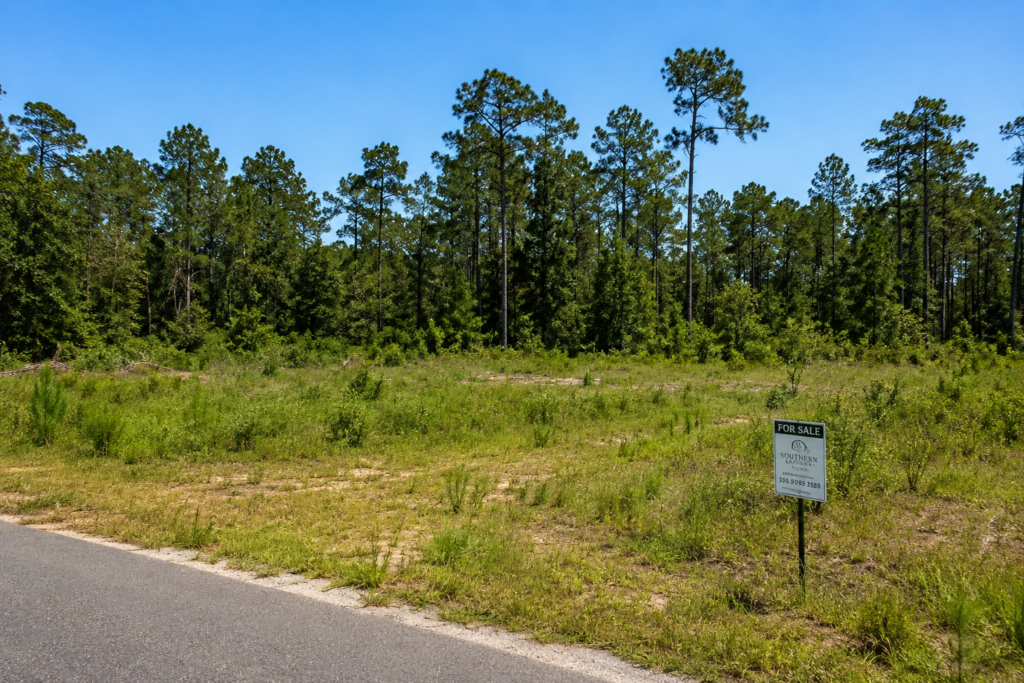
Shallotte has quietly become one of the more active growth areas in coastal North Carolina. While larger cities tend to receive most of the attention, smaller towns like Shallotte are seeing steady demand from both residential development and long-term land investment.
For landowners, that can raise a lot of questions.
Why are developers interested in certain properties but not others? What makes one tract more valuable than the next? And how do changing infrastructure, zoning, and population trends affect the future of vacant land in the area?
Understanding how land development works in a growing town like Shallotte can help property owners make more informed decisions — whether they plan to sell now, hold long term, or simply learn more about what may be happening around their property.
Why Shallotte Continues to Attract Development
Shallotte sits in a strategic location between larger coastal destinations and inland communities, making it appealing for both residents and developers. The town offers access to beaches, highways, retail corridors, healthcare, and schools while still maintaining a smaller-town feel.
Over time, that balance has created increasing demand for housing and supporting commercial growth.
Many developers look for areas where:
- Population growth remains steady
- Infrastructure continues expanding
- Major road access is available
- Retail and services are already established
- New home communities are beginning to cluster nearby
When several of these factors come together, land that once felt “out of the way” can suddenly become more attractive for future development.
This is especially true in areas surrounding Shallotte where larger tracts still exist but growth pressure continues moving outward.
PRO TIP: If you’re researching nearby market trends, it can help to also explore local growth patterns in surrounding areas through related county and coastal market blogs.
Not All Vacant Land Is Equally Developable
One of the biggest misconceptions among landowners is that acreage alone determines value.
In reality, developers often spend more time evaluating what can realistically be done with the property.
For example, two 20-acre tracts in the same area may have very different development potential depending on:
- Zoning regulations
- Wetlands or floodplain presence
- Road frontage and access
- Water and sewer availability
- Topography and drainage
- Future land use designations
- Nearby development activity
A property located near utilities with strong road access may attract more interest than a larger parcel with environmental limitations.
In Shallotte and many surrounding coastal areas, infrastructure plays a major role. Public water and sewer access can significantly influence what type of development is feasible and how many lots may ultimately be possible.
That does not mean land without utilities has no value. Some properties may still work for lower-density residential use, recreational purposes, or future long-term investment.
The Importance of Zoning and Future Land Use
Many landowners assume their current zoning tells the entire story of what their land is worth.
But developers often look beyond present zoning and study the area’s future land use plans as well.
Future land use maps help indicate how local governments envision growth over time. In some cases, land currently zoned for agricultural or rural use may still be located within an area planned for future residential expansion.
That possibility can influence long-term land value and developer interest.
However, rezonings are never guaranteed. Local municipalities and counties evaluate traffic impacts, infrastructure capacity, environmental concerns, and compatibility with surrounding development before approving changes.
This is one reason developers perform extensive due diligence before purchasing land.
Landowners in Shallotte often benefit from understanding:
- Whether their property lies inside or outside municipal influence areas
- Existing zoning classifications
- Utility service boundaries
- Planned roadway improvements nearby
- Whether adjacent properties are beginning to transition into residential communities
These details can shape both timing and expectations when considering future opportunities.
Smaller Town Growth Often Happens Gradually
In fast-growing markets, development can feel sudden. But in towns like Shallotte, growth is often more gradual and layered.
A new subdivision may bring additional traffic. That traffic may attract more retail. Retail growth may support additional housing demand. Over time, surrounding land becomes more desirable simply because the area continues evolving.
For landowners, this gradual shift can sometimes create uncertainty.
Some owners decide to hold land longer as surrounding infrastructure improves. Others prefer to sell before development pressures increase taxes or maintenance responsibilities.
There is rarely one “correct” decision.
The key is understanding what factors may influence your property over time rather than relying solely on rumors or speculation.
Even neighboring properties can experience very different outcomes depending on location, access, utilities, and local planning direction.
Why Developers Study Surrounding Communities Closely
When evaluating land in Shallotte, developers usually look beyond the property itself.
They also study:
- Nearby home prices
- Absorption pace of new communities
- Builder activity in the area
- School access
- Commercial growth
- Road improvements and traffic patterns
This broader market research helps determine whether future housing demand supports development costs.
For example, if several nearby communities are selling steadily and infrastructure continues expanding, that may increase confidence in future projects nearby.
On the other hand, if utility expansion is limited or nearby communities are struggling to sell homes, developers may become more cautious.
This is why land development decisions are often based on long-term planning rather than short-term market shifts.
Understanding Your Options as a Landowner
Owning land in a growing area like Shallotte can create opportunities, but it can also bring questions about timing, value, and future potential.
Some landowners choose to:
- Sell directly
- Hold property for future appreciation
- Explore subdivision potential
- Partner with developers
- Keep land within the family for long-term use
Each situation depends on the property itself and the owner’s goals.
In many cases, simply learning more about the land’s characteristics — zoning, utilities, access, and surrounding growth — can provide valuable clarity before making any decisions.
For landowners who are unsure where to start, reviewing local market activity and speaking with professionals familiar with development trends can help provide a more realistic picture of what may or may not be possible.
You can also learn more through our local land resources and by visiting our Sell Your Land or Contact Us pages if you have questions about a specific property.
If you own land in South Carolina and are exploring your options, our team is always happy to share insights and answer questions.