
If you own land in South Carolina, you’ve probably asked yourself this at least once:
Should I sell now… or wait another year?
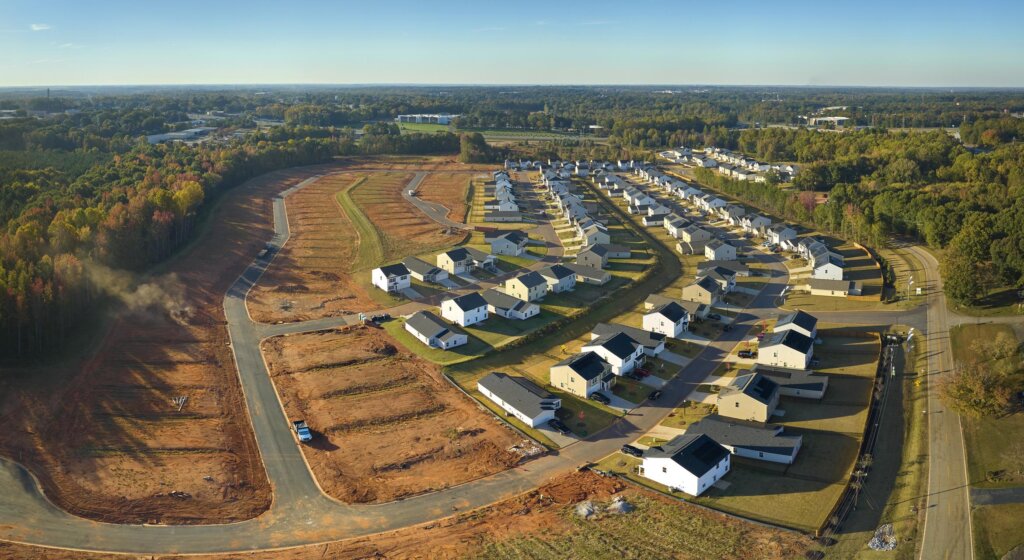
Land doesn’t move the same way houses do. There are no open houses, no staging, no granite countertops to compare. Instead, timing depends on growth patterns, zoning, infrastructure, and what builders are actively looking for.
So, will 2026 be a good year to sell land in South Carolina?
The honest answer: it depends on your property — but there are clear trends landowners should understand.
1. Growth Is Still Shaping Demand
South Carolina has experienced steady population growth over the past several years. While growth rates naturally fluctuate, many counties continue to see:
- New residential communities
- Expanded road infrastructure
- Increased builder activity
- Ongoing migration from higher-cost states
When population grows, housing demand follows. And when housing demand rises, builders start looking for land.
In certain areas — especially near expanding cities and transportation corridors — developable land remains limited. That can create opportunity for sellers, particularly those who own:
- Larger tracts (5+ acres)
- Parcels near utilities
- Land in or near growth corridors
If you’re unsure how your area is performing, reviewing local data — such as our breakdown of South Carolina County Real Estate trends — can provide helpful context.
2. Interest Rates Affect Houses — But Land Is Different
Many people assume that when mortgage rates fluctuate, all real estate slows down. That’s true for retail homebuyers.
But land operates differently.
Builders plan years in advance. They don’t just look at today’s interest rate — they evaluate:
- Long-term housing demand
- Inventory shortages
- Lot supply pipelines
- Zoning and entitlement timelines
If finished lots are scarce in 2026, builders may still aggressively pursue raw land to secure future inventory.
That means even in a “normalizing” housing market, well-located land can remain attractive.
3. Inventory Levels Matter More Than Headlines
National real estate headlines often sound dramatic. But land values are highly local.
In many parts of South Carolina, there is still:
- A shortage of entitled, build-ready lots
- Limited large parcels close to utilities
- Competition among mid-sized and national builders
If your land sits in a path of growth — near new subdivisions, schools, or road expansions — 2026 could be a strategic time to explore selling.
On the other hand, extremely rural or heavily restricted properties may not experience the same demand.
This is why understanding zoning, utilities, and surrounding development activity is critical before making a decision.
4. Zoning and Entitlement Trends in South Carolina
In recent years, several counties across South Carolina have adjusted zoning codes, density allowances, and subdivision regulations.
For landowners, this can mean:
- Increased density potential
- Stricter environmental reviews
- Updated stormwater requirements
- New road frontage or lot width standards
If regulations tighten, developable land can become more valuable — simply because fewer parcels qualify.
On the flip side, if your land requires rezoning, extended timelines may influence buyer interest.
Knowing where your parcel stands today — not five years ago — is key.
5. Should You Sell in 2026 or Hold Longer?
Here are a few practical questions to ask yourself:
1. Has nearby land already started developing?
If subdivisions are moving closer, demand could increase.
2. Are utilities expanding toward your property?
Water and sewer access often changes land value significantly.
3. Do you want to manage taxes and upkeep longer?
Holding land isn’t free — property taxes, maintenance, and opportunity cost matter.
4. Is your land part of a larger assemblage opportunity?
Sometimes neighboring parcels together create stronger value than selling alone.
There’s no universal “perfect” year to sell. But 2026 could be favorable for landowners in active growth corridors, especially if inventory remains tight and builders continue securing future lot supply.
A Balanced Perspective for Landowners
Selling land is different from selling a house. It’s slower, more technical, and often tied to long-term development planning.
If your property sits in a growing part of South Carolina, 2026 may present solid opportunities — especially if:
- Builders are active nearby
- Infrastructure projects are underway
- Your zoning supports residential development
If your property is more remote or heavily constrained, waiting may or may not change the fundamentals.
The key isn’t timing the market perfectly. It’s understanding your land’s position within it.
If you’d like to explore what your specific parcel might look like in today’s environment, you can learn more about how we work on our Sell Your Land page, or simply Contact Us to start a conversation.
If you own land in South Carolina and are exploring your options, our team is always happy to share insights and answer questions.