
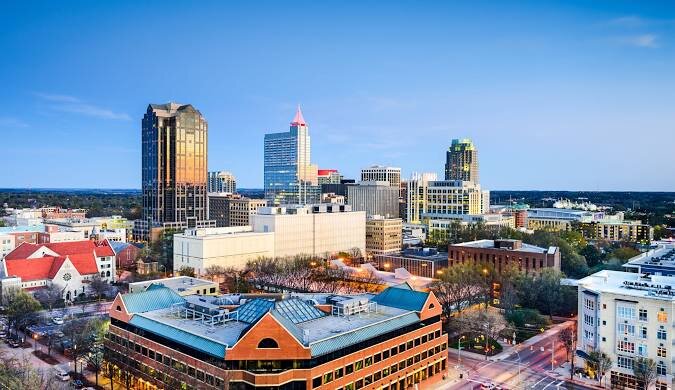
Why Developers Are Turning Their Attention to the Tar Heel State
South Carolina has always been a favorite for its beaches, charming small towns, and growing economy — but recently, developers are taking a serious look at North Carolina, where growth, affordability, and opportunity are coming together in powerful ways.
From the booming Charlotte metro area to fast-growing coastal and suburban counties, the state offers ideal conditions for residential and mixed-use development. Here’s a look at the top North Carolina counties where developers are moving next — and why.
1. Brunswick County – Coastal Growth Meets Affordability
Located near Wilmington and Myrtle Beach, Brunswick County has become a magnet for both retirees and families looking for coastal living without the steep prices of larger beach towns.
- Population growth: Among the fastest-growing in the state
- Development focus: Single-family neighborhoods, master-planned communities, and new infrastructure projects
- Why it matters: Access to the beach, major highways, and a strong demand for new housing make Brunswick a developer’s dream.
2. Cabarrus County – Charlotte’s Expanding Suburbs
As Charlotte’s metro area keeps expanding, Cabarrus County (home to Concord and Kannapolis) has seen a surge in both residential and commercial projects.
- Proximity: 30 minutes from Uptown Charlotte
- Attractions: New schools, healthcare centers, and industrial growth
- Development type: Suburban subdivisions and build-to-rent communities
Cabarrus represents the perfect balance of suburban comfort and urban accessibility—making it one of the top spots for next-wave development.
3. Johnston County – Raleigh’s Fastest-Growing Neighbor
Just southeast of Raleigh, Johnston County has quietly become a new frontier for developers.
- Population growth: Over 30% in the last decade
- Infrastructure: New highways and water/sewer expansions
- Development type: Affordable housing and community-based subdivisions
Its proximity to the Research Triangle Park area gives it access to high-paying jobs while offering lower land costs—a winning formula for both builders and investors.
4. Union County – A Hotbed for Luxury and Family Living
Bordering the Charlotte metro, Union County combines top-rated schools with scenic countryside and fast access to the city.
- Development trends: Upscale single-family homes, gated neighborhoods, and small-lot communities
- Why developers love it: Strong buyer demand and limited supply
Union County continues to attract builders seeking higher-end markets with long-term stability.
5. Moore County – Lifestyle Development on the Rise
Known for Pinehurst and Southern Pines, Moore County is attracting developers focused on golf, leisure, and lifestyle communities.
- Why it’s growing: Retiree relocation and second-home demand
- Key advantage: Exceptional quality of life with planned infrastructure improvements
It’s a prime example of how rural areas can become luxury destinations through strategic development.
6. New Hanover County – Urban-Coastal Growth in Full Swing
As Wilmington continues to thrive, New Hanover County is evolving into one of North Carolina’s most dynamic development hubs.
- Market strength: High demand for coastal living and short-term rentals
- Challenges: Limited land availability
- Opportunities: Redevelopment and infill projects near the coast
Developers here are getting creative—transforming older parcels into modern, mixed-use spaces that blend work, leisure, and home life.
What This Means for Landowners
For property owners in these fast-growing counties, demand for land is only expected to rise. Developers are seeking tracts with access to water/sewer, near new highways, or inside municipal service boundaries.
If your property fits these conditions, it could hold hidden potential for future development—and partnering with a team like Southern Acres Land Co. can help unlock that value.
Conclusion
From the coast to the Charlotte suburbs, North Carolina is redefining the landscape for residential and mixed-use development. As builders look for new frontiers beyond high-cost metros, these counties are leading the next wave of growth — and for landowners, the timing couldn’t be better.