
If you own land in South Carolina, you’ve probably heard it described in different ways—raw land, vacant land, undeveloped property. These terms often get used interchangeably, but they don’t all mean the same thing. And the differences matter more than most landowners realize.
Understanding how your property is classified can affect its value, who might be interested in buying it, and what questions will come up during a sale. Here’s a clear, practical breakdown without the legal jargon.
What Is Raw Land?
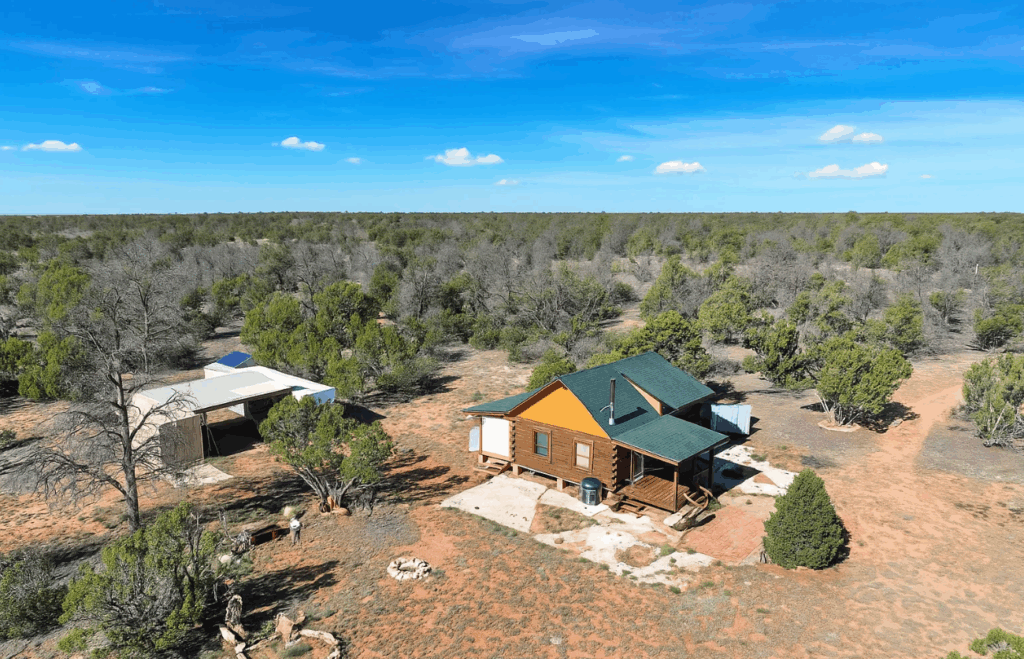
Raw land is property that’s essentially in its natural state. Think of land that hasn’t been touched by development.
Raw land typically:
- Has no utility connections (no water, sewer, power, or internet)
- May lack road frontage or legal access
- Has no prior site work like grading, clearing, or surveys
- Often sits outside of developed neighborhoods
In South Carolina, raw land is common in rural or transitioning areas. These parcels often appeal to long-term investors, farmers, or developers who are comfortable navigating zoning, utilities, and infrastructure from scratch.
For landowners, raw land can feel simple—nothing has been done to it—but from a buyer’s perspective, it usually involves more unknowns.
What Is Vacant Land?
Vacant land is also undeveloped, but it’s usually one step closer to being usable.
Vacant land often:
- Has road access or frontage
- Is near existing utilities, or utilities are already available at the road
- Sits within a platted subdivision or established area
- Has clearer zoning and development expectations
For example, an empty residential lot in a growing part of South Carolina—even without a house on it—is typically considered vacant land, not raw land.
Because fewer hurdles stand in the way, vacant land usually attracts a wider range of buyers and can be easier to price.
Why the Difference Matters to Landowners
From the outside, both raw and vacant land may look the same—just open space. But buyers evaluate them very differently.
Here’s why classification matters:
- Value expectations: Vacant land often commands a higher price because less work is needed before building.
- Buyer pool: Raw land tends to attract experienced buyers; vacant land attracts more everyday builders and individuals.
- Timeline: Raw land transactions can take longer due to due diligence, feasibility checks, and permitting.
- Questions you’ll get: Access, utilities, wetlands, and zoning come up faster with raw land.
If you’re unsure how your property would be viewed, looking at nearby sales or reading a county-specific market breakdown—such as a “South Carolina County Real Estate” post—can help put it into context.
Common Misunderstandings About Land Type
Many landowners assume:
- “There’s a road nearby, so utilities must be available.”
- “It’s zoned residential, so it’s ready to build.”
- “No house means it’s all the same.”
In reality, two parcels side by side can fall into different categories based on access, infrastructure, and planning history. That distinction can change how buyers underwrite the deal and what they’re willing to pay.
How to Think About Your Own Property
If you’re trying to determine whether your land is raw or vacant, start with a few simple questions:
- Does the property have legal road access?
- Are water and sewer available, or would they need to be extended?
- Is the land part of an existing subdivision or a larger tract?
- Has any surveying or site work been done in the past?
You don’t need all the answers upfront, but knowing where your land falls helps set realistic expectations.
If you’re researching next steps, many landowners also review their options on a “Sell Your Land” page or reach out through a “Contact Us” form to get clarity without pressure.
A Practical Takeaway
Raw land and vacant land aren’t better or worse—they’re just different. Each comes with its own considerations, risks, and opportunities. The key is understanding how buyers see your property, not just how you’ve always thought about it.
If you own land in South Carolina and are exploring your options, our team is always happy to share insights and answer questions.