
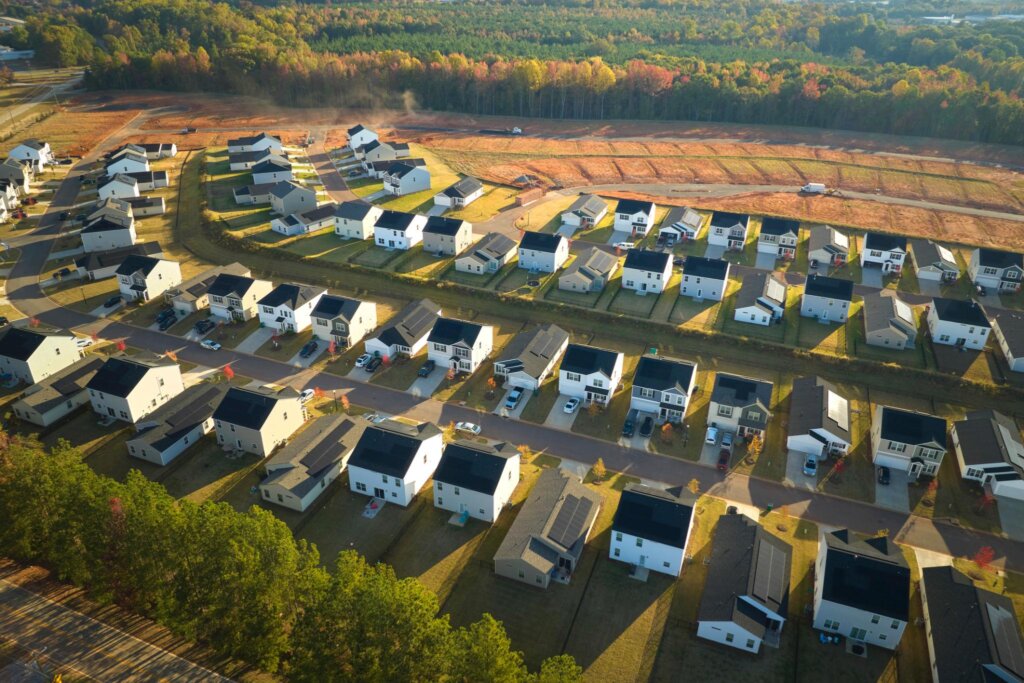
Over the last few years, population growth has become one of the most important — and least understood — forces shaping land values in South Carolina. Between July 2024 and July 2025, nearly 80,000 people relocated to the state, making South Carolina the fastest-growing state in the country during that period.
While this growth is measured statewide, the Charleston region continues to absorb a meaningful share of new residents. On average, more than 40 people per day have been moving into the area, gradually changing how land is used, planned, and developed.
For landowners holding vacant or underutilized property, this kind of steady growth often raises quiet but important questions about value, timing, and long-term potential.
Population Growth Impacts Land Before It Shows Up in Home Prices
Population growth doesn’t start with home sales. It starts with land planning.
Before a single home is built, developers and builders begin evaluating:
- Vacant parcels that can be subdivided
- Land near expanding roadways and utility lines
- Properties aligned with future land-use plans
- Large tracts that support phased development
Much of this activity happens behind the scenes, often years before construction begins. That’s why some landowners are surprised when their property suddenly attracts attention after sitting quietly for decades.
Growth Pushes Development Beyond the City Core
As the Charleston area continues to expand, development pressure naturally moves outward. Areas once considered rural or peripheral often become relevant once infrastructure, zoning, or market demand shifts.
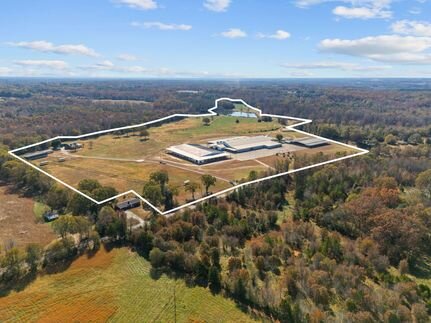
This pattern is already visible across multiple counties surrounding Charleston, where population growth has increased demand for buildable land outside the urban core. In places like John’s Island, long-term population growth since 2010 has translated into significant development activity, even though the area once felt far removed from city growth.
Landowners sometimes assume proximity to downtown is what matters most. In reality, transitional areas — where growth is approaching but not fully built out — are often where land demand changes first.
If you want a clearer local picture, reviewing a county-specific real estate or land market overview can help show where growth is actually concentrating.
Why Not All Land Benefits the Same Way
Population growth alone doesn’t automatically increase land value. Two neighboring properties can experience very different outcomes based on factors such as:
- Zoning and allowable density
- Access to water, sewer, and road frontage
- Environmental features like wetlands or flood zones
- Parcel size, shape, and surrounding uses
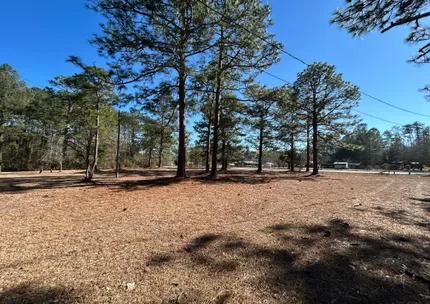
This is where many landowners feel uncertainty. Online estimates are often geared toward homes, not land. And residential comps don’t reflect how developers underwrite vacant property.
Understanding how land is evaluated for future use, rather than just how nearby homes sell, provides far more clarity during periods of growth.
Why Some Landowners Explore Selling During Growth Cycles
As population growth continues, many landowners begin reassessing long-held property — not necessarily because they want to sell immediately, but because circumstances around the land are changing.
Common reasons landowners explore their options include:
- Rising property taxes on unused land
- Inherited or family-owned property
- Uncertainty about future zoning or development costs
- Increased inquiries from buyers they didn’t expect
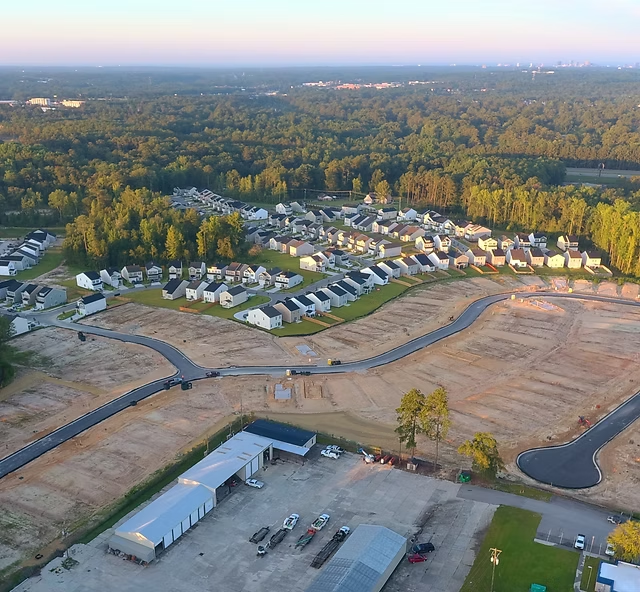
There’s no universal “right time” to sell land. But growth periods like 2024–2025 often create more flexibility, more buyer interest, and more potential outcomes — especially for owners who prefer to make informed decisions rather than react later.
Practical Steps for Landowners in Growing Parts of South Carolina
If you own land near Charleston or in other growing areas of South Carolina, a few practical steps can help you stay ahead of change:
- Review your zoning and future land-use designation
- Look at land sales, not just home sales
- Pay attention to nearby infrastructure projects
- Understand any environmental constraints early
Even if selling isn’t on your radar, having clarity about your land’s position within a growing market can help guide future decisions.
If you’d like to explore information specific to your area, reviewing a local county real estate or land market page can be a helpful starting point.
A Thoughtful Next Step
Population growth doesn’t change land overnight — but it does shape long-term demand. For landowners across South Carolina, the steady influx of new residents between 2024 and 2025 is already influencing how land is planned, priced, and developed.
If you own land in South Carolina and are exploring your options, our team is always happy to share insights and answer questions. You can learn more by visiting our Sell Your Land or Contact Us page whenever it’s convenient.