
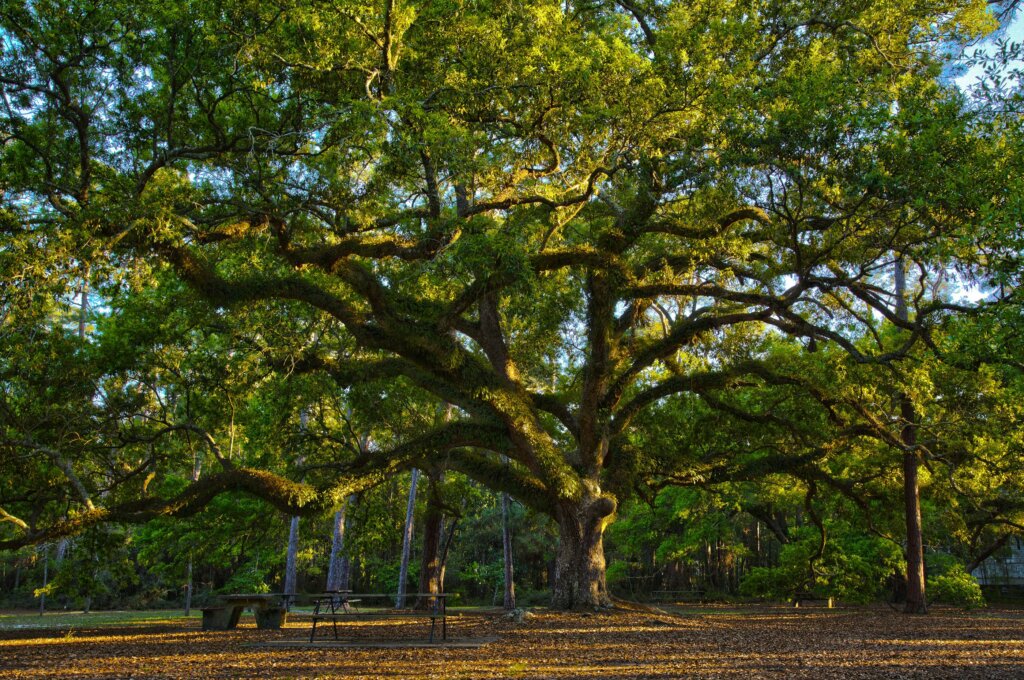
Trees are more than aesthetic assets — they provide shade, stormwater control, habitat, and help define neighborhood character. In South Carolina, municipalities and counties increasingly regulate tree removal and preservation through Tree Protection / Preservation Ordinances. For real estate developers, landowners, and buyers, understanding these rules is essential to avoid fines, delays, or forced replanting.
What Is a Tree Protection Ordinance?
A tree protection ordinance is a local legal framework that regulates:
- Which trees qualify as “protected,” “significant,” or “landmark” (based on size, species, age)
- Requirements to obtain a permit before removing or disturbing those trees
- Criteria under which removal is allowed (hazard, infeasibility, site constraints)
- Mitigation or replacement requirements (planting new trees or paying fees)
- Protection measures during construction (barricades, buffer zones)
- Penalties and appeals for non-compliance
These ordinances serve to preserve tree canopy, reduce erosion and flooding, maintain aesthetics, and balance development with environmental quality.
South Carolina’s state-level agencies provide guidance on urban tree protection strategies. But the enforcement and details are largely municipal — each city, town, or county can have its own rules.
Key Examples from South Carolina Municipalities
Here are some illustrative cases showing how the rules vary and evolve:
- Charleston, SC
A “Grand Tree” is defined as any tree ≥ 24 inches diameter (DBH); “Protected Trees” are ≥ 8 inches DBH (excluding some species). charleston-sc.gov
Permits aren’t needed if the lot retains at least 15 protected trees per acre. charleston-sc.gov
Trees in critical buffer zones (e.g. waterfront setback zones) often require special approvals. charleston-sc.gov
- Mount Pleasant, SC
Residential trees 16″ DBH or greater are usually protected; pine trees 24″+ are newly included. tompsc.com+1
Mitigation is required: removal often triggers replacement planting or a fee-in-lieu. tompsc.com
- Georgetown, SC
Their ordinance (Article XII) includes replacement schedules: if too many protected trees are removed, the deficit must be made up by planting new ones (1:1 for significant trees) with diversity requirements. georgetownsc.gov
Historic or scenic trees have stricter protection, and removal may need Board of Zoning Appeals approval. georgetownsc.gov
- Greenville, SC
In 2021, Greenville adopted a revised tree ordinance and committed to periodically reviewing it to assess its effectiveness. Upstate Forever
- James Island, SC
Defines “Grand Trees” (≥ 18″ DBH, excluding pine and sweet gum) and “Protected Trees” (≥ 8″ DBH). Removal or root damage, excessive pruning, or altering soil grade counts as “tree removal” in some contexts. American Legal Publishing
These examples show there is no uniform SC standard — but many common themes emerge.
Impacts on Real Estate & Development
The tree protection ordinance landscape in SC has real effects on:
- Project cost & timing
Delays in permit review, arborist reports, or mitigation plantings can push schedules.
Mitigation (planting or fees) adds cost. - Design constraints
Site layout must respect critical root zones, impervious area limits near trees, buffer distances, and required retention quotas. - Land value / marketability
Properties with good tree cover may be more attractive, but heavy regulation can deter speculative land buyers or subdivisions. - Risk & liability
Unauthorized tree removal can trigger fines, permit rejections, or forced replanting. Also reputational risk for developers. - Sustainability & community image
Strong tree ordinances can enhance long-term resilience (stormwater, heat island reduction) and community appeal.
Tips for Navigating SC Tree Protection Ordinances
To minimize risks and ensure compliance:
- Do early tree surveys. Hire a qualified arborist or landscape architect to map significant and protected trees before conceptual plans.
- Build the tree plan into site design. Look for ways to preserve high-value trees, cluster development, or adjust setbacks.
- Engage with municipalities early. Talk to planning staff about local tree rules in your target jurisdiction (Charleston, Mount Pleasant, Greenville, etc.).
- Include mitigation in your budget. Anticipate the cost of replacement planting or tree fund fees.
- Specify protective measures in contracts. Require contractors to avoid disturbance near trees, erect fencing, prohibit material storage near critical roots.
- Document everything. Photographs, construction stakeouts, mitigation compliance — all helpful if disputes arise.
- Plan for appeals / variances. If tree removal is essential, be ready to submit justification and attend hearings (e.g. Board of Zoning Appeals).
Tree protection ordinances in South Carolina represent a vital intersection of environmental stewardship, urban design, and real estate regulation. For anyone developing, buying, or selling land in SC, these rules cannot be ignored — they demand proactive planning, collaboration with municipal officials, and incorporation of green infrastructure thinking.
By treating trees as assets rather than obstacles, projects can avoid surprises, align with community values, and often deliver better long-term outcomes.