
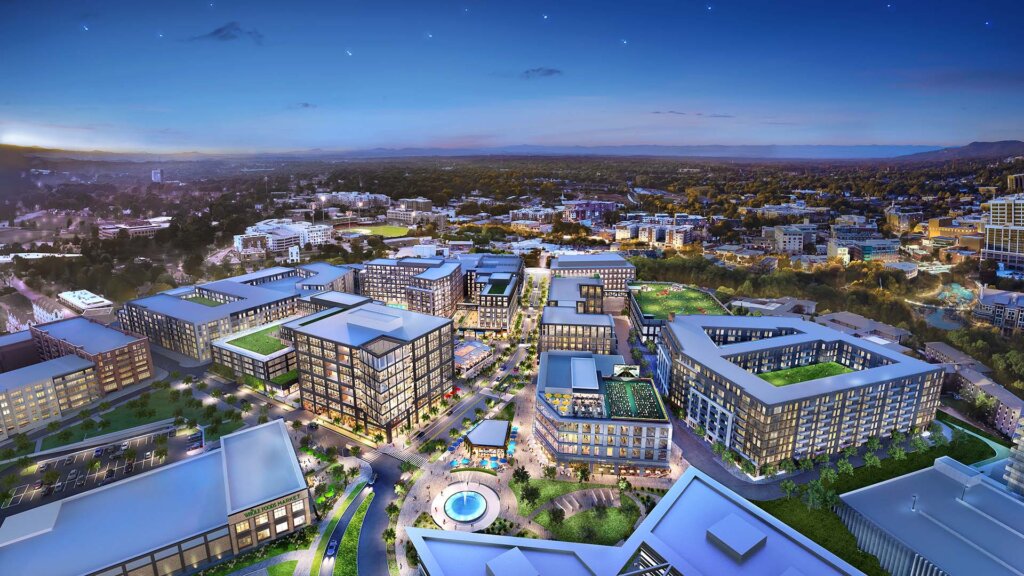
As we head toward 2026, the real estate landscape in South Carolina continues to evolve. Population growth, expanding infrastructure, and long-term migration trends are reshaping how and where development happens. For landowners, investors, and builders, understanding these shifts early can create real opportunities.
This outlook explores what’s driving South Carolina real estate in 2026, where growth is most likely to occur, and what it means for vacant land owners considering their next move.
Why South Carolina Real Estate Momentum Is Carrying Into 2026
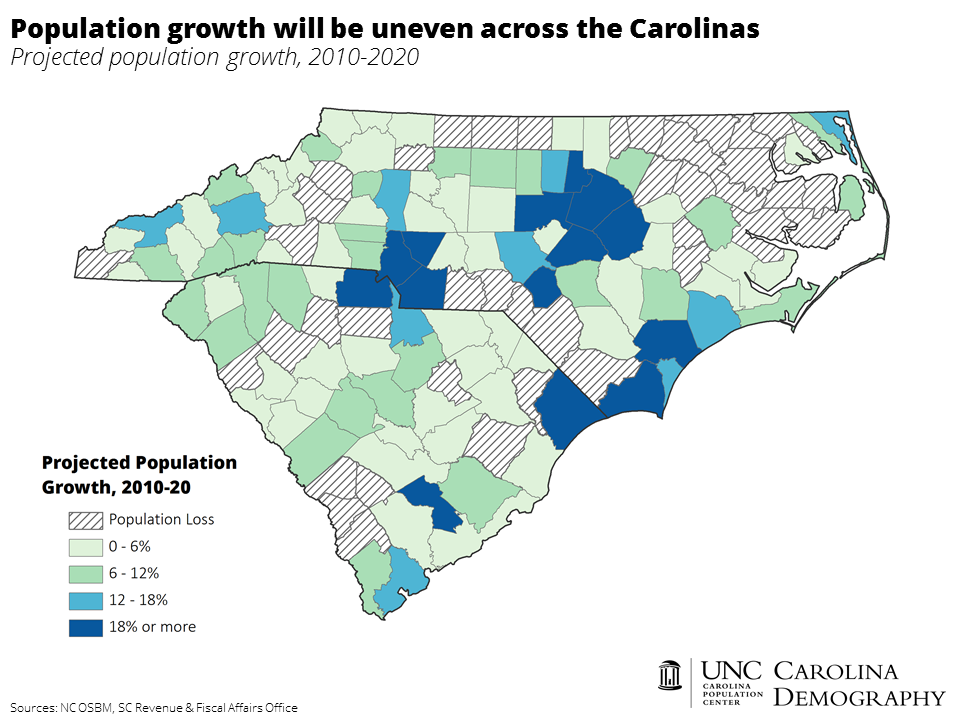
South Carolina has remained a strong destination for relocation over the past several years—and the fundamentals supporting that growth are still intact.
Key drivers shaping the 2026 market include:
- Continued in-migration from higher-cost states seeking affordability and quality of life
- Infrastructure expansion supporting new residential and mixed-use developments
- Job growth tied to manufacturing, logistics, healthcare, and port-related industries
- Demand for housing in both suburban and secondary markets
Together, these factors are pushing development beyond traditional metro cores and into emerging corridors where land availability is still strong.
Residential Development Trends to Watch in 2026
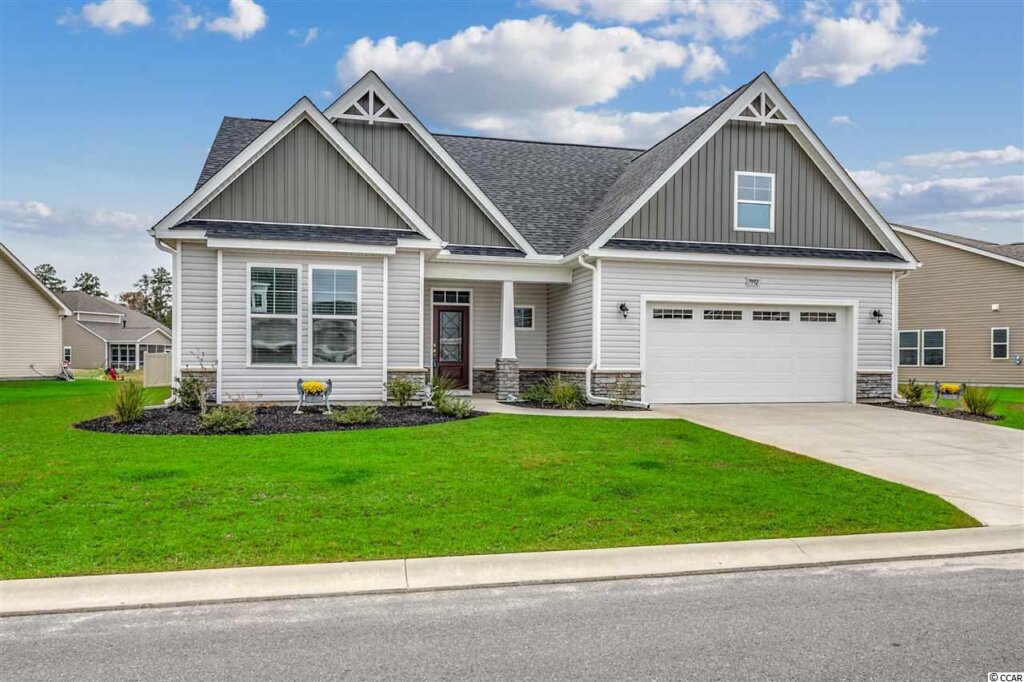
By 2026, residential construction in South Carolina is expected to focus less on dense urban cores and more on thoughtfully planned communities.
Notable trends include:
- Single-family neighborhoods in growing suburban and rural-edge markets
- Smaller-lot subdivisions designed for affordability and efficiency
- Master-planned developments combining housing with green space
- Increased interest in entitled or near-entitlement land
For landowners, this means properties once considered “too far out” may now be well-positioned for development interest.
What 2026 Means for Vacant Landowners in South Carolina
As development pushes outward, vacant land is becoming increasingly valuable—especially parcels that meet basic development criteria.
Developers in South Carolina are actively looking for land that offers:
- Appropriate zoning or future land-use alignment
- Access to roads, utilities, or nearby infrastructure
- Size suitable for subdivision or neighborhood-scale projects
- Locations near expanding residential or employment hubs
Landowners who understand how their property fits into these trends may find 2026 to be a strategic time to explore selling or partnering with developers.
Market Stability and Long-Term Outlook
Rather than sharp spikes, the South Carolina real estate market in 2026 is expected to reflect steady, sustainable growth. Developers are placing greater emphasis on feasibility, infrastructure planning, and long-term demand rather than speculative builds.
This stability benefits:
- Sellers looking for realistic, data-backed offers
- Buyers seeking long-term value
- Communities aiming for balanced growth
Preparing for Opportunities Ahead
Whether you own vacant land, are exploring investment opportunities, or simply watching the market, understanding where South Carolina is headed in 2026 is key.
Landowners who stay informed about zoning, development trends, and market demand are often best positioned when opportunities arise.