
Johns Island: Rural Charm Meets Development Pressure — What It Means for Landowners
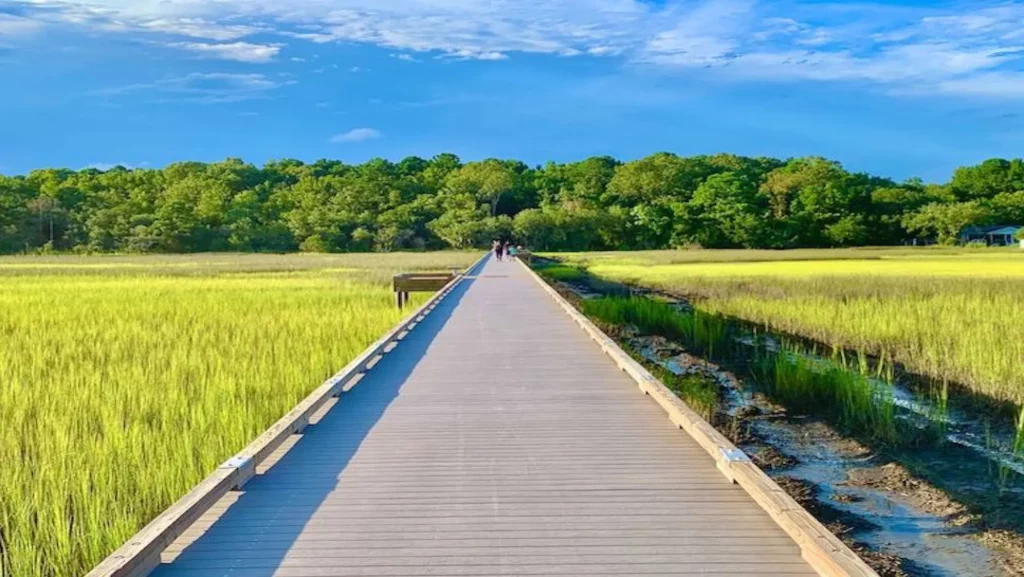
Just a short drive from downtown Charleston, Johns Island has long been celebrated for its oak-lined roads, open farmland, and tranquil Lowcountry charm. But in recent years, this quiet haven has become one of the most talked-about areas in South Carolina real estate, where rural living meets growing development pressure.
As more families and builders search for space beyond the city, Johns Island is changing fast—and for landowners, that brings both opportunity and uncertainty.
A Once-Rural Retreat on the Rise
For decades, Johns Island was a place where farms, horse pastures, and small communities thrived away from Charleston’s urban core. But as population growth accelerates and homebuilders expand outward, demand for developable land has surged.
Recent data shows that Johns Island’s population has more than doubled over the past 20 years. Subdivisions and new residential communities are steadily moving in, transforming what was once quiet farmland into thriving neighborhoods with modern infrastructure, schools, and shopping centers.
What’s Driving Development on Johns Island
Several key factors are fueling Johns Island’s transformation:
- Proximity to Charleston: Just 10–15 minutes from downtown, yet still offering large acreage and open space.
- New Infrastructure Investments: Road improvements like the Maybank Highway widening and the Johns Island Connector have made access easier.
- Builder Interest: National and regional homebuilders are actively purchasing large tracts for new communities.
- Lifestyle Appeal: Buyers want the “rural feel” with easy access to beaches and the city—a perfect mix Johns Island offers.
These trends create a wave of interest from developers and investors—but also spark concerns about overdevelopment, traffic, and preserving the island’s natural beauty.
Balancing Growth and Preservation
Local planners and residents are working to maintain Johns Island’s rural identity while allowing responsible growth. Zoning regulations, tree protection ordinances, and stormwater requirements are all evolving to manage this balance.
For example, density limits in certain zoning districts restrict how many homes can be built per acre, and conservation efforts continue to protect wetlands and heritage trees that define the island’s landscape.
What It Means for Landowners
If you own land on Johns Island, you’re in a unique position. Development pressure means:
- Property values are rising, especially for larger parcels.
- Builders and developers may reach out with purchase offers or joint-venture opportunities.
- Zoning, wetlands, and utility access will strongly influence what your property can be used for—and its market value.
Before deciding to sell or develop, it’s essential to understand your property’s zoning, access to public water and sewer, and nearby growth patterns.
Southern Acres Land Co. helps landowners evaluate development potential, understand their options, and unlock the highest value for their land—whether that means selling directly to a developer or preparing it for future projects.
Looking Ahead
Johns Island will likely remain one of the most dynamic and debated areas in South Carolina. As growth continues to spread west of Charleston, landowners who plan ahead—balancing market timing with smart due diligence—will be best positioned to benefit from the island’s evolution.
Johns Island represents the changing face of Lowcountry living—where rural charm, natural beauty, and development potential meet. For landowners, that balance presents a valuable opportunity: to shape the future of the island while securing lasting value from their property.
If you own land on Johns Island or anywhere in South Carolina, reach out to Southern Acres Land Co. to explore your options. Together, we can help you make the most of your land’s potential while preserving what makes it special.