
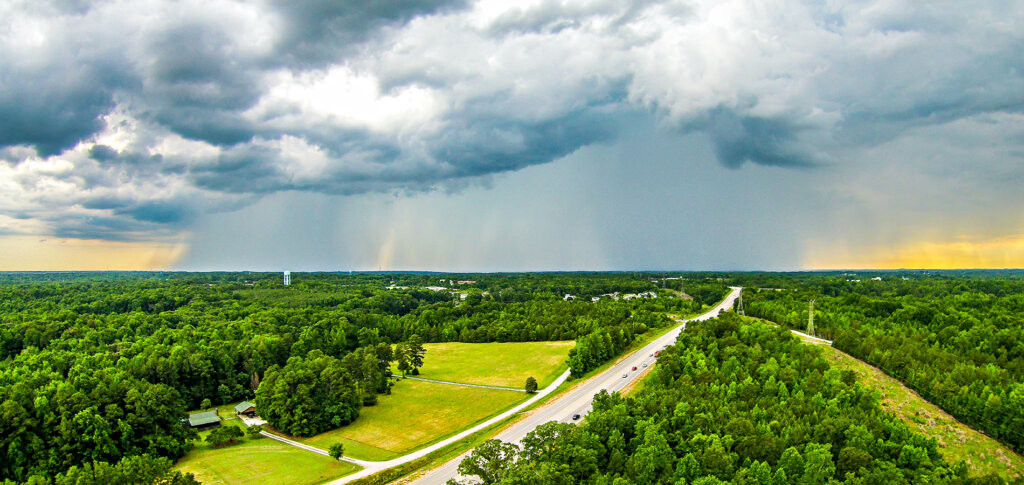
If you own land zoned for agriculture, you’ve probably wondered at some point: Is this land limited to farming forever—or could it eventually be developed?
It’s a fair question, especially as more rural areas begin to grow and expand. What used to be farmland 10 or 20 years ago is now, in many places, becoming residential neighborhoods or mixed-use developments.
The short answer is: agricultural land can sometimes be developed—but it depends on several key factors. Understanding those factors can help you make better decisions about your property and its long-term potential.
What Agricultural Zoning Actually Means
Agricultural zoning is typically designed to preserve land for farming, timber, or other low-density uses. Counties and municipalities use it to protect open space, manage growth, and support local agriculture.
In most cases, agricultural zoning allows:
- Farming and livestock use
- Large-lot residential homes
- Limited subdivision (depending on local rules)
What it usually doesn’t allow—at least by default—is higher-density residential development like subdivisions or commercial projects.
That said, zoning is not always permanent.
Can Agricultural Land Be Rezoned?
Yes—many agricultural properties can be rezoned in the future. But it’s not automatic, and it’s not guaranteed.
Rezoning is a formal process where the local government reviews a request to change how a property can be used. Whether or not it gets approved depends on how well the property aligns with the area’s long-term growth plans.
Some of the biggest factors include:
1. Future Land Use Plans (FLUM)
Most counties have a long-term vision for growth. If your property is located in an area designated for future residential expansion, that’s a strong indicator that rezoning may be possible.
2. Surrounding Development
If nearby properties are already being developed into neighborhoods, it becomes easier to justify a zoning change. Growth tends to move outward in patterns.
3. Road Access and Infrastructure
Access to paved roads, water, and sewer utilities plays a big role. Even if rezoning is approved, development may not be feasible without infrastructure nearby.
4. Property Size and Layout
Larger tracts with usable (upland) acreage are typically more attractive for future development.
Why Some Agricultural Land Never Gets Developed
While some farmland transitions into neighborhoods, a large portion never does—and that’s important to understand.
Here are a few common reasons:
Location Matters More Than Zoning Alone
If a property is far from growing areas or major roads, it may remain agricultural indefinitely.
Environmental Constraints
Wetlands, flood zones, or protected areas can limit how much of the land is actually usable.
Lack of Utilities
Without nearby water and sewer, development costs can become too high to make a project feasible.
Local Government Priorities
Some areas intentionally limit growth to preserve rural character, which can make rezoning more difficult.
A Simple Example
Imagine two agricultural properties:
- One sits just outside a growing town, near existing neighborhoods, with road frontage and utilities nearby.
- The other is deep in a rural area, surrounded by farmland, with limited access and no infrastructure.
Both are zoned agricultural—but their future potential looks very different.
The first property may have a realistic path toward rezoning and development. The second may remain agricultural for the foreseeable future.
What Landowners Should Consider
If you own agricultural land, it’s worth thinking about your property not just as it is today—but what it could become over time.
A few helpful questions to ask:
- Is my property near expanding residential areas?
- What does the county’s future land use map show?
- Are there utilities nearby or planned in the future?
- Has there been recent development activity in the area?
You don’t necessarily need all the answers—but even a general understanding can help you make more informed decisions.
For example, if you’re located in a growing region, you might want to explore how nearby areas are evolving. Looking into something like a “South Carolina County Real Estate” blog can provide helpful context about local growth patterns and development trends.
Timing Plays a Big Role
One of the most overlooked factors is timing.
A property that isn’t ideal for development today could become much more valuable in the future as growth moves outward. On the other hand, some properties may take decades to reach that point—or may never get there.
This is why many landowners choose to periodically re-evaluate their land instead of making a quick decision based only on current conditions.
Final Thoughts
Agricultural zoning doesn’t necessarily mean your land is locked into one use forever. In many cases, it’s simply a starting point.
The real question is whether your property aligns with where growth is heading—and whether the surrounding conditions support future development.
If you’re unsure, it can be helpful to get a second perspective. Even a quick review of your property’s location, zoning, and nearby activity can provide clarity.
If you own land in South Carolina and are exploring your options, our team is always happy to share insights and answer questions. You can also learn more about your options on our Sell Your Land page or reach out through our Contact Us page anytime.